Pet Stain Odour Removal in Homes: Effective Ways to Eliminate Pet Smells and Restore Freshness
Pet ownership brings joy, companionship, and comfort, but it can also bring one very stubborn problem: pet stain odour removal in homes. Whether it is urine on carpet, a lingering smell on upholstery, or hidden accidents under furniture, pet odours can quickly become overwhelming if they are not addressed properly. For homeowners, renters, and pet lovers alike, finding the right approach to pet stain odour removal is essential for keeping interiors fresh, hygienic, and welcoming.
Many people assume that a quick spray of air freshener will solve the issue, but odour masking is not the same as real pet stain odour removal. The source of the smell must be treated at the stain level, especially when the mess has seeped into carpet fibers, underlay, grout, or porous materials. A lasting solution requires a combination of proper cleaning methods, the right products, and a clear understanding of how pet accidents affect different surfaces.
In this article, we’ll explore practical methods, professional solutions, and prevention strategies for pet stain odour removal. You’ll learn why some smells keep coming back, how to treat common surfaces, and when expert help may be the best option. If you are dealing with recurring pet odours, this content will help you make informed decisions and restore comfort to your home.
Why Pet Stain Odour Removal Matters for Every Home
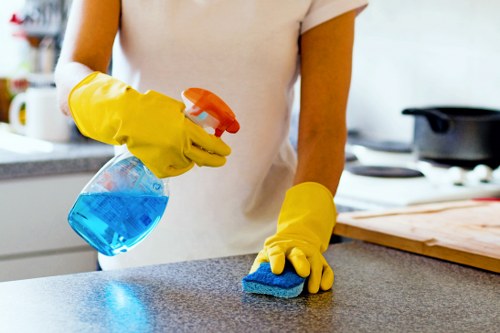
Pet stain odour removal is more than a cosmetic concern. Odours often indicate that urine, feces, vomit, or other contaminants have penetrated deep into a surface. If left untreated, these stains can spread bacteria, attract pests, and create a constant unpleasant smell that affects air quality indoors. In some homes, pet urine can even reappear when humidity rises or the carpet is cleaned with the wrong product.
Strong pet stains and odours can also damage flooring, furniture, and fabrics over time. For example, urine contains compounds that can crystallize and become more difficult to remove as they age. This means the longer you wait, the harder pet stain odour removal becomes. Acting quickly not only improves results but also reduces the risk of permanent damage.
Beyond the physical effects, pet odours can influence how people feel in a space. A clean home should smell clean, not like an untreated pet accident. That is why pet stain odour removal is an important part of regular household maintenance, especially in homes with puppies, senior pets, or multiple animals.
How Pet Stains and Odours Set Into Surfaces

To understand effective pet stain odour removal, it helps to know what happens when an accident occurs. Liquids such as urine can move quickly through carpet fibers and reach the padding underneath. If the spill is not extracted promptly, it may continue to affect the subfloor below. This is one reason smells return even after the visible stain appears to be gone.
Porous materials absorb odour molecules easily. Carpet, fabric, unfinished wood, grout, and mattresses can all hold onto pet smells. Hard surfaces may appear easier to clean, but if the liquid travels into seams, cracks, or joints, the smell can linger there too. Effective pet stain odour removal must account for this absorption behavior.
Another issue is residue. Even when a stain is removed, leftover proteins and bacteria can continue generating odour. That is why the most successful pet stain odour removal methods focus on breaking down the organic material instead of simply covering it up. Understanding this process makes it easier to choose the right cleaning strategy for each surface.
Common Pet Stain Odour Problems in Homes

Pet owners deal with several types of accidents, and each one requires a different approach. The most common issues include urine, feces, vomit, and muddy paw contamination. Among these, urine is often the most difficult because it can soak into flooring and leave a strong ammonia-like smell. This makes pet stain odour removal especially urgent in areas where pets frequently rest or mark territory.
Carpets are one of the biggest problem zones. They trap moisture and odour in the fibers and padding, which means a surface clean may not be enough. Upholstered couches, rugs, pet beds, and curtains are also common sources of lingering smell. If the accident reaches cushions or foam, the odour may remain trapped inside for a long time.
Bathrooms, hallways, and entryways can also develop recurring pet odours, particularly if pets have access to those places during rainy weather or after outdoor walks. Even tiles and sealed floors may need deeper cleaning around skirting boards and edges. In short, pet stain odour removal is not only about the stain itself but also about identifying where the smell has traveled.
Best Methods for Pet Stain Odour Removal
There are several effective ways to handle pet stain odour removal, and the best method depends on the type of stain, the surface involved, and how long the accident has been present. The goal is always to lift the contamination, neutralize the smell, and prevent it from returning. Using the wrong cleaner can sometimes make the problem worse, especially if it contains strong perfumes that only mask the issue.
For fresh accidents, blotting immediately with absorbent cloths is the first step. Avoid rubbing, since that can push the stain deeper into fibers. After blotting, the affected area should be treated with a cleaner designed for pet stain odour removal. Enzymatic cleaners are often the most effective because they target organic waste at a molecular level. These products help break down the source of the odour instead of just neutralizing it briefly.
For older stains, more intensive treatment may be needed. Steam cleaning, extraction, or specialized deodorizing treatments can help remove embedded residue. However, these methods should be used carefully depending on the material. A good pet stain odour removal approach always starts with identifying the surface and assessing how deeply the contamination has spread.
Step-by-Step Pet Stain Odour Removal for Carpets

Carpet is one of the most challenging areas for pet stain odour removal because of its layered structure. When an accident occurs, the liquid can pass through the fibers and soak into the backing and padding below. That is why surface cleaning alone rarely solves the smell problem. A proper process can make a major difference in results.
Start by removing as much moisture as possible with clean paper towels or microfiber cloths. Press down firmly without scrubbing. Next, apply a pet-safe enzymatic cleaner generously over the stain, making sure it reaches the same depth as the accident. Allow it to sit for the recommended time so the formula can digest the organic material. If needed, repeat the application for older or larger stains.
After treatment, extract the area with clean water and blot again to remove leftover solution. In some cases, a carpet extractor or professional-grade machine may help with deeper pet stain odour removal. Finish by drying the area thoroughly. Good ventilation and fans can help prevent mildew while also reducing the risk of remaining smell.
Useful carpet cleaning tips
- Test any cleaner on a hidden area before full use.
- Avoid ammonia-based products, since they may resemble urine smell to pets.
- Do not over-wet carpet, especially if the padding is already saturated.
- Repeat treatment if odour returns after drying.
Pet Stain Odour Removal on Upholstery and Fabric

Upholstery and soft furnishings require careful handling because fabric can shrink, stain, or spread moisture if cleaned too aggressively. When dealing with couches, chairs, cushions, or pet beds, the first priority is to check the care label. This helps you choose a safe cleaning method for pet stain odour removal without damaging the material.
Blot excess liquid immediately and use a fabric-safe enzymatic cleaner for the affected area. If the smell has settled into foam or cushion filling, you may need to treat both the surface and the inner layers. Removing cushion covers, when possible, can improve access and allow for more thorough cleaning. Always let the material dry completely before using it again.
For delicate fabrics, spot testing is essential. Some materials respond well to mild solutions, while others need specialist treatment. A careful approach to pet stain odour removal helps protect the appearance of your furniture while also eliminating the underlying smell. If furniture has repeated accidents, professional upholstery cleaning may be the most efficient solution.
Soft furnishing odour control tips
- Use a wet-dry vacuum where appropriate to lift moisture quickly.
- Never use excessive heat on unknown fabrics.
- Rotate cushions during the drying process for even airflow.
- Consider washable covers for high-risk pet zones.
Pet Stain Odour Removal on Hard Floors
Hard flooring such as tile, vinyl, laminate, and sealed wood is easier to wipe down than carpet, but pet stain odour removal is still important because liquid can collect in seams, baseboards, or grout lines. If urine sits too long, it can seep into cracks and leave a stubborn smell even after the visible mess is gone. Cleaning these surfaces thoroughly helps prevent bacteria growth and recurring odours.
Use a cleaner appropriate for the floor type. For sealed tile and vinyl, a gentle enzymatic or neutral-pH cleaner may be enough. For wood floors, avoid soaking the surface because too much moisture can damage the finish. Pay close attention to edges, corners, and joints where residue may remain hidden. A microfiber mop can help lift residue without over-wetting the floor.
In cases where odour has penetrated grout or gaps in the floor, more targeted treatment may be required. Pet stain odour removal on hard surfaces often benefits from repeated cleaning and careful drying. If a smell continues after the area appears clean, the source may be underneath the floor covering and may require deeper inspection.
When to suspect deeper contamination
If the odour becomes stronger in warm weather, after mopping, or when humidity rises, it may be trapped below the surface. That often means standard surface cleaning is not enough. In such cases, inspect nearby trim, seams, and under-furniture spaces for hidden contamination.
Natural Solutions vs. Commercial Cleaners
Homeowners often ask whether natural remedies work for pet stain odour removal. The answer is that some household ingredients can help with light accidents, but they may not be strong enough for embedded stains. Baking soda, vinegar, and mild soap solutions can assist with neutralization and freshening, especially for minor issues. However, they do not always break down organic waste as effectively as enzyme-based products.
Commercial cleaners designed for pet stain odour removal are usually more reliable for deep cleaning. Enzymatic formulas, oxidizing treatments, and professional extraction products are created to address the compounds that cause persistent odour. When choosing a cleaner, look for one that is safe for the surface you are treating and suitable for pet households. Avoid products with harsh residues that can irritate paws or skin.
A balanced approach often works best. Natural options can be useful for maintenance, while commercial solutions are better for serious accidents. The key is matching the product to the problem. Effective pet stain odour removal is less about using the strongest scent and more about choosing the right chemistry for the job.
Common ingredients and their uses
- Baking soda for absorbing mild smells after cleaning.
- White vinegar for light neutralization on some washable surfaces.
- Enzymatic cleaners for breaking down urine, feces, and vomit residues.
- Oxygen-based cleaners for stain brightening and odour support in some fabrics.
Why Pet Odours Keep Coming Back
One of the most frustrating parts of pet stain odour removal is when the smell returns days or even weeks later. This usually happens because the source was not fully removed. Deep padding, hidden underlayers, or nearby porous materials can continue releasing odour long after the visible stain is gone. Heat and humidity often reactivate the smell, making it seem as though the accident is happening again.
Another reason odours persist is incomplete drying. If moisture stays trapped in carpet or upholstery, it may create a damp smell that mixes with the original accident. This can also encourage mould or mildew growth. Proper ventilation, drying time, and thorough extraction are essential parts of successful pet stain odour removal.
Pets themselves may also revisit the same area if they can still smell their own scent. This creates a cycle of repeat accidents. That is why deep cleaning is so important. Removing both stain and scent helps reduce the chance of your pet marking the same place again.
Helpful reminder
Do not assume a stain is gone just because it is invisible. Odour molecules can remain trapped in the material and continue to affect the room until the contamination is fully treated.
Professional Pet Stain Odour Removal: When It Makes Sense
Sometimes the smartest choice is professional help. If pet stain odour removal has not worked after repeated attempts, or if the stain has spread under flooring and furniture, professional cleaning can save time and prevent further damage. Experts use high-powered extraction equipment, specialized detergents, and odour neutralization treatments that reach deeper than standard household tools.
Professional services are especially useful for large-scale issues, rental move-outs, multi-pet homes, or older stains that have been present for a long time. They can also help with carpets that need deep sanitizing after repeated accidents. In many cases, professional pet stain odour removal can restore a room that seemed beyond repair.
It is also worth considering professional treatment if someone in the home has allergies, asthma, or sensitivity to lingering smells. A cleaner indoor environment supports better comfort for everyone. If you are dealing with ongoing odour problems, contact us today to discuss the best solution for your space and book your service now.
Prevention Tips to Reduce Future Pet Odour Issues
The best pet stain odour removal strategy includes prevention. Training pets, maintaining a routine, and acting quickly after accidents all reduce the chance of stubborn smells. Frequent cleaning of pet bedding, litter areas, crates, and feeding zones can also keep odours from building up. For homes with young pets or elderly animals, preventive planning is especially valuable.
Use washable covers on sofas and pet beds where possible. Place mats near entryways and water bowls to catch splashes and muddy paws. Keep enzymatic cleaner on hand so you can treat accidents immediately rather than waiting. The faster you respond, the easier pet stain odour removal becomes and the less likely the smell will linger.
Regular vacuuming and deep cleaning also matter. Dust, hair, and dander can trap odours and make a room feel less fresh. By staying consistent with household cleaning, you reduce buildup and improve overall freshness. Prevention may not eliminate every accident, but it makes the cleanup process far easier.
Simple prevention checklist
- Train pets with positive reinforcement.
- Clean accidents immediately.
- Wash pet bedding weekly.
- Use floor protectors in high-traffic pet areas.
- Inspect hidden corners and under furniture regularly.
Choosing the Right Approach for Different Situations
Not every accident needs the same level of treatment. Fresh stains on washable surfaces may only require quick blotting and a suitable cleaner. Older or larger spills often need deeper pet stain odour removal methods. Knowing how to match the solution to the situation saves effort and improves results. For example, a small recent urine spot on tile will not need the same process as a soaked carpet underlay.
It is helpful to think in layers. Surface stain, absorbed liquid, lingering residue, and trapped odour each need to be addressed. If one layer is missed, the smell may return. This layered approach makes pet stain odour removal more reliable and reduces frustration. It also helps explain why some products work for one problem but not another.
When in doubt, start gently and escalate as needed. Use safe methods first, observe the results, and then move to stronger treatment if necessary. This practical process keeps pet stain odour removal effective while protecting surfaces in your home.
Final Thoughts on Pet Stain Odour Removal
Pet stain odour removal does not have to feel overwhelming. With the right tools, a quick response, and a clear plan, most homes can be restored to a clean, fresh condition. The key is to treat the source, not just the smell. Whether you are dealing with carpet, upholstery, or hard floors, the goal is always the same: remove the stain, neutralize the odour, and prevent it from coming back.
If you are tired of living with stubborn smells, do not wait for the problem to get worse. Consistent cleaning, appropriate products, and professional help when needed can make a noticeable difference. Book your service now and take the next step toward a fresher, healthier home. Pet stain odour removal is an investment in comfort, cleanliness, and peace of mind.