Insurance and Safety
 Our Insurance and Safety approach is designed to protect people, property, and operations at every stage of a project. By combining robust cover, clear procedures, and practical training, we help create a working environment that is both secure and professionally managed. Every task, whether routine or complex, benefits from a structured framework that prioritises risk prevention, legal compliance, and the wellbeing of everyone involved.
One of the foundations of our safety standard is public liability insurance. This cover helps provide financial protection in the event of accidental injury to third parties or damage to their property arising from our activities. In practice, it gives clients and stakeholders reassurance that our insurance for safety measures is backed by a formal policy designed to manage unforeseen incidents responsibly. It is an essential part of maintaining trust while working in varied environments.
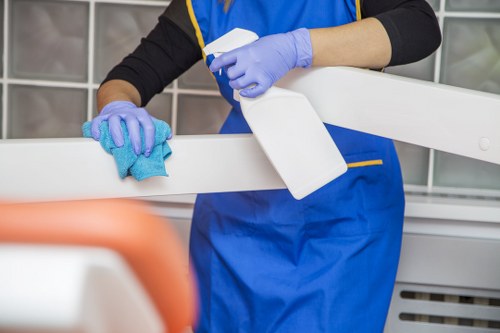 We also recognise that insurance alone is not enough. Effective staff training is critical to maintaining safe working conditions and reducing the likelihood of accidents. Our team members are trained to follow site-specific procedures, use equipment correctly, and understand the importance of reporting hazards without delay. Training is refreshed regularly so that best practice remains current, consistent, and aligned with changing regulations and workplace expectations.
Safety equipment plays a major role in everyday operations, which is why PPE is treated as a non-negotiable requirement where needed. Depending on the task, this may include helmets, gloves, hi-vis clothing, eye protection, respiratory protection, or safety footwear. Proper personal protective equipment helps reduce exposure to hazards and supports safe performance on site. We ensure PPE is selected carefully, worn correctly, and maintained in good condition.
Our risk assessment process is thorough, practical, and built into planning from the start. Before work begins, we identify potential hazards, evaluate the level of risk, and decide on suitable control measures. This may include isolating hazards, improving signage, adjusting work methods, or introducing additional supervision. The process is not static; it is reviewed whenever conditions change so that our safety controls remain effective and responsive.
 A strong safety culture depends on communication as much as documentation. That is why our insurance and safety procedures are supported by clear briefings, tool talks, and ongoing supervision. Team members are encouraged to raise concerns, ask questions, and stop work if they believe a situation may be unsafe. This proactive approach helps us address issues early and reinforces the idea that safety is everyone’s responsibility.
We take a layered approach to protection, combining public liability insurance with practical day-to-day controls. This means that while policies provide a formal safety net, operational measures such as inspections, equipment checks, and competent supervision help prevent incidents from occurring in the first place. The result is a balanced system that supports both compliance and confidence, particularly in environments where multiple trades or activities may overlap.
Staff training is also tailored to the nature of the work being performed. New starters receive induction support, while experienced personnel are kept up to date through refresher sessions and task-specific instruction. This ensures that all workers understand both the general standards expected and the particular hazards associated with their role. By investing in people, we strengthen the overall reliability of our insurance and safety framework.
Our safety standards extend to the careful selection and inspection of all equipment and materials used on site. Where PPE is required, it is matched to the risk, checked before use, and replaced when necessary. In addition, supervisors monitor compliance and help reinforce safe habits throughout the working day. These practical steps support a consistent culture of care, discipline, and professionalism.
When assessing risk, we focus on realistic controls that can be applied effectively rather than relying on assumptions. Each assessment considers who may be affected, how serious the harm could be, and what measures will reduce the likelihood of an incident. By treating the risk assessment process as an active management tool rather than a paperwork exercise, we maintain a safer environment for staff, contractors, clients, and the public.
 Another important element of our insurance and safety commitment is continuous review. Lessons from completed work, near misses, and changing site conditions are used to improve future planning. This ongoing refinement helps us keep standards high and ensures our public liability insurance works alongside strong operational controls. In this way, insurance and safe practice support one another rather than operating separately.
 Ultimately, our approach is built on accountability, preparation, and respect for the people affected by our work. With public liability insurance in place, robust staff training, appropriate PPE, and a reliable risk assessment process, we are able to manage hazards with confidence and care. Insurance for safety is not just about compliance; it is about creating a workplace where risks are understood, controlled, and continually improved.